
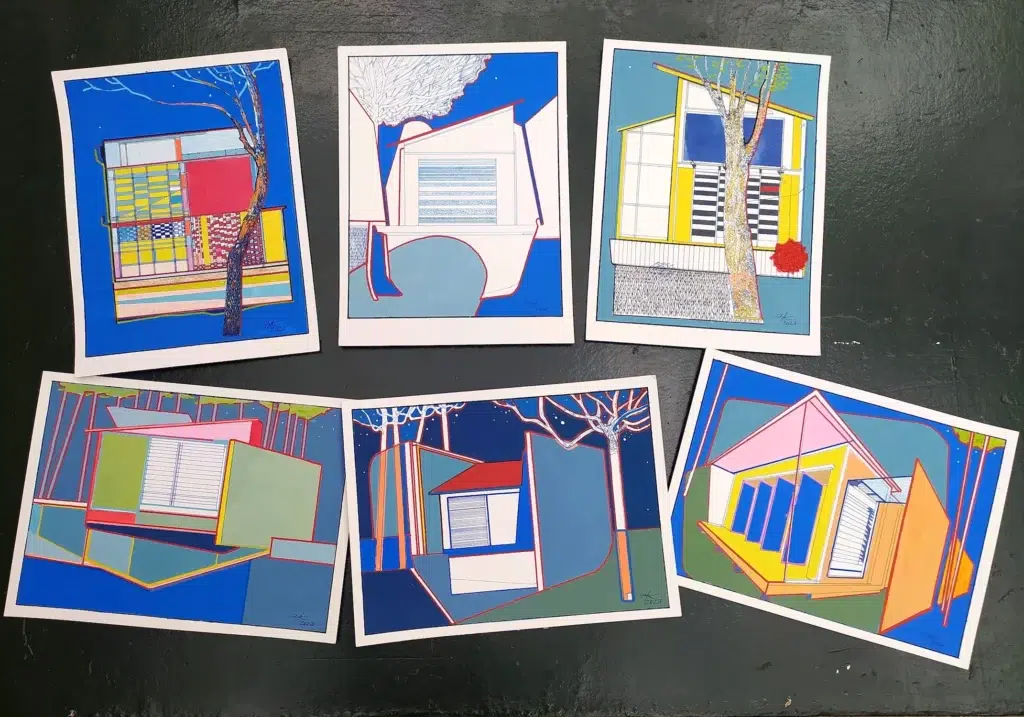
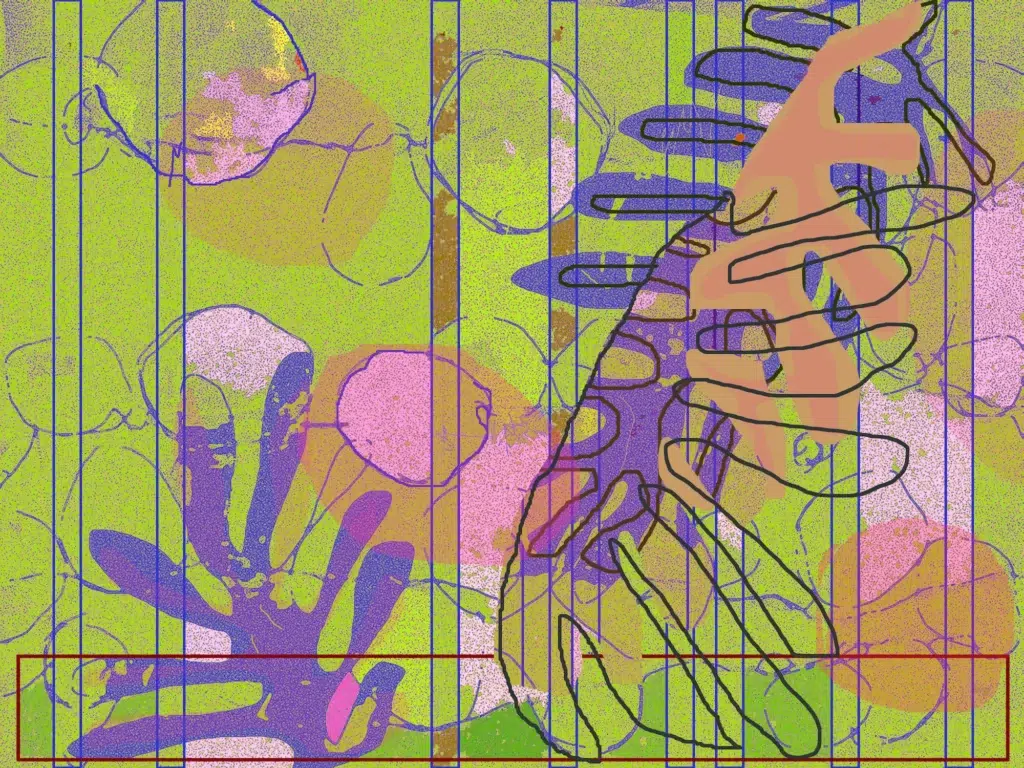
El otro día un amigo se interesó por mis dibujos del parque del Retiro de Madrid. Son los que conforman la serie SPRM 2024. Los había visto en mi cuenta de @instagram. La serie SPRM, es un nuevo encargo de Montenegro Ediciones, mi sello editorial que me permite imprimir carteles bajo demanda y de tirada limitada. Quería saber si los dibujo a mano o si los hago con algún programa de diseño. Le contesté que, casi siempre parto de un dibujo a mano. Y que me encanta trabajar con software de diseño gráfico, tipo Affinity Designer. Como sabe que me gusta experimentar con nuevos soportes, intuyó que mi explicación no acababa ahí.
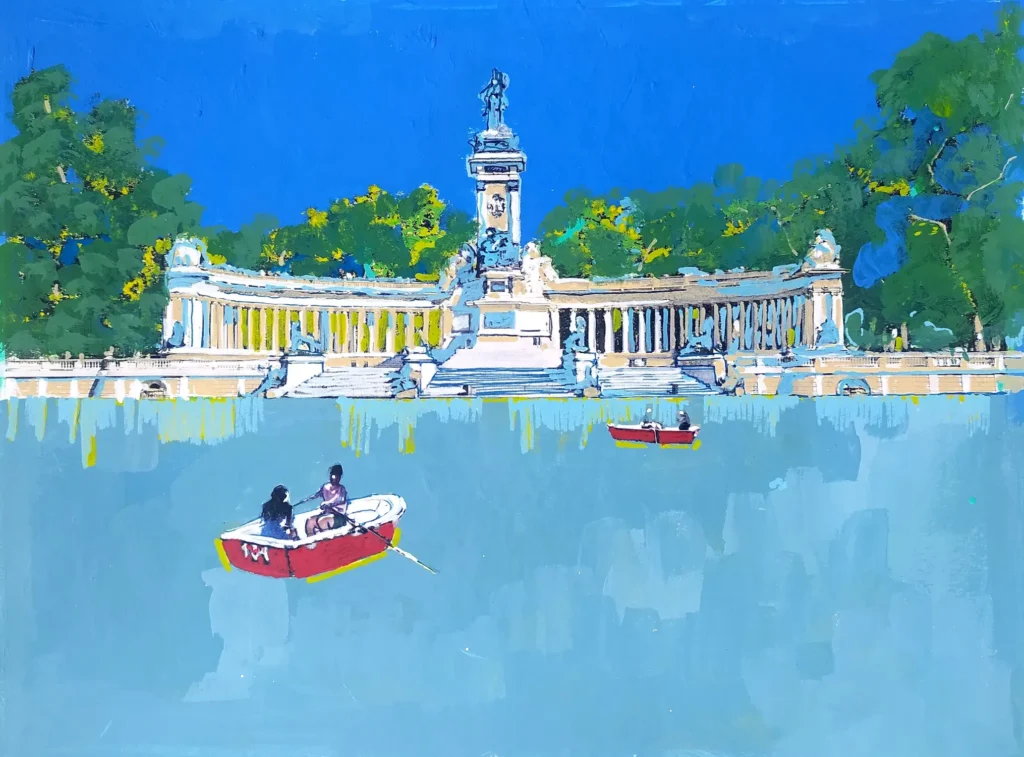
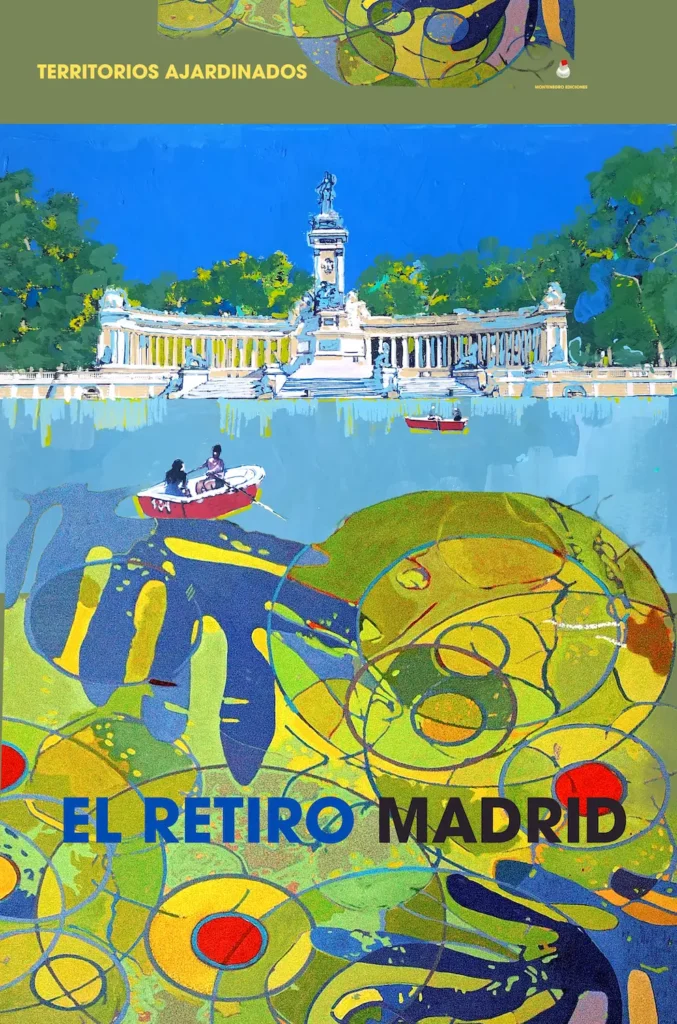
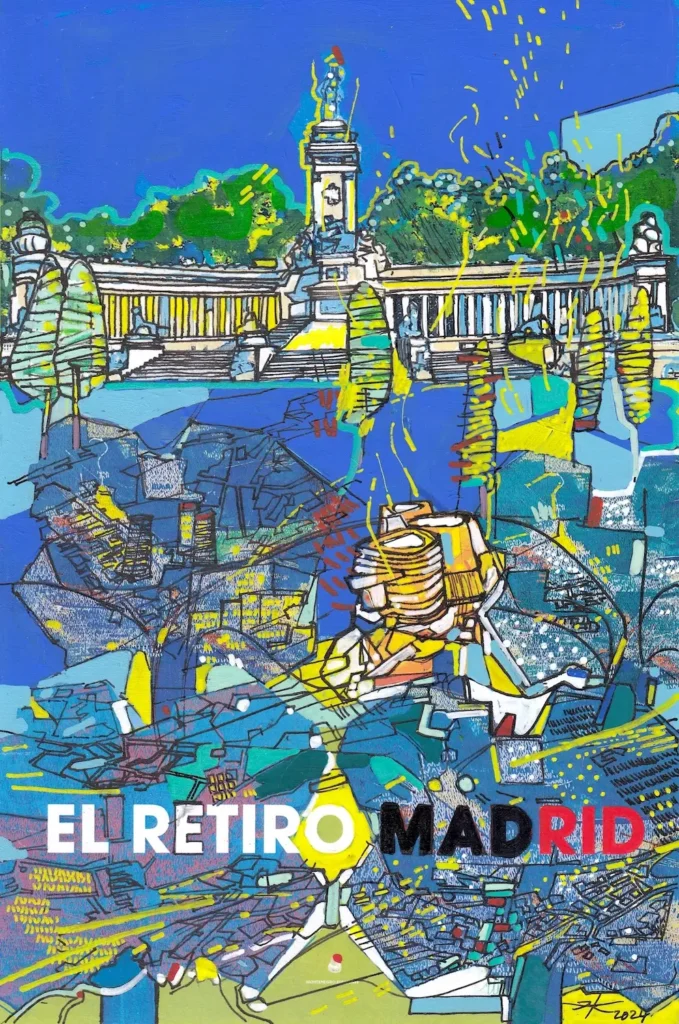
Una de las maneras de añadir un nuevo significado a una obra de arte es reproducirla. A mí, particularmente, me fascina la idea de reproducir una obra mía por varias razones. El principal argumento es poder articular nuevos soportes que me permitan una mejor distribución y venta de una reproducción de esa obra en concreto.
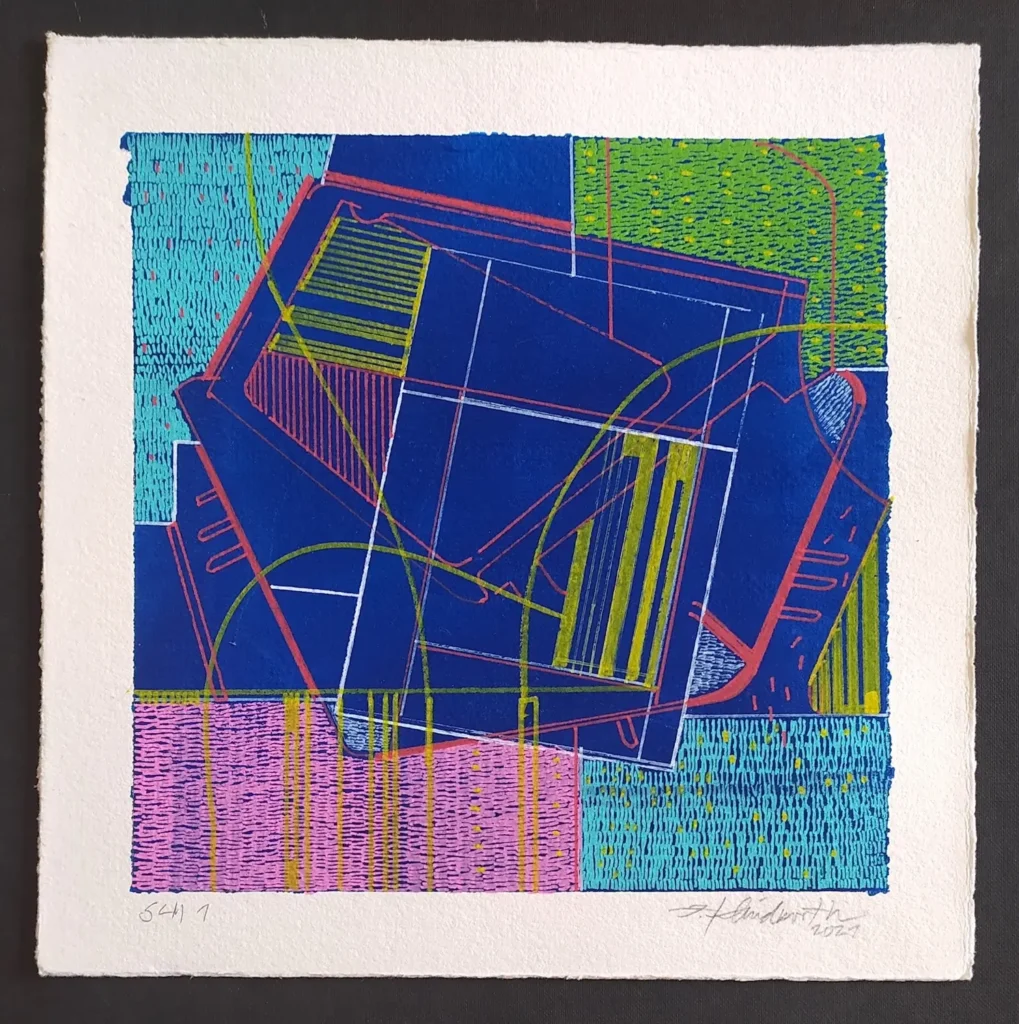
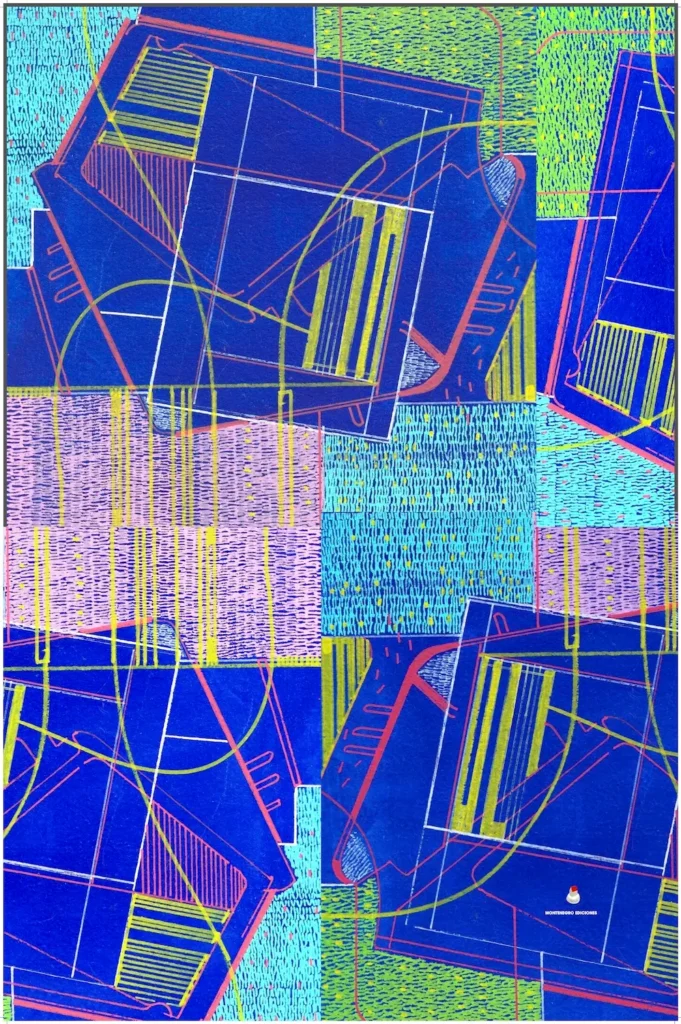
En el año 2022 cree @montenegroediciones-Proyectos de impresión, un sello editorial ficticio que me permite construir proyectos de impresión bajo demanda. Partiendo de los fondos de mi propia obra organizo composiciones digitales para luego imprimirlas en tiradas limitadas y bajo demanda. La impresión final es de tipo glicee, o grabado digital, que es un procedimiento digital que se usa en la edición de obras de arte originales. La impresión se realiza sobre papeles especiales y de alto gramaje, como Hahnemühle Photo Rag de 308grs, y en tamaños que varian entre un A3 a un A1. Son por lo tanto obras únicas o numeradas y limitadas.
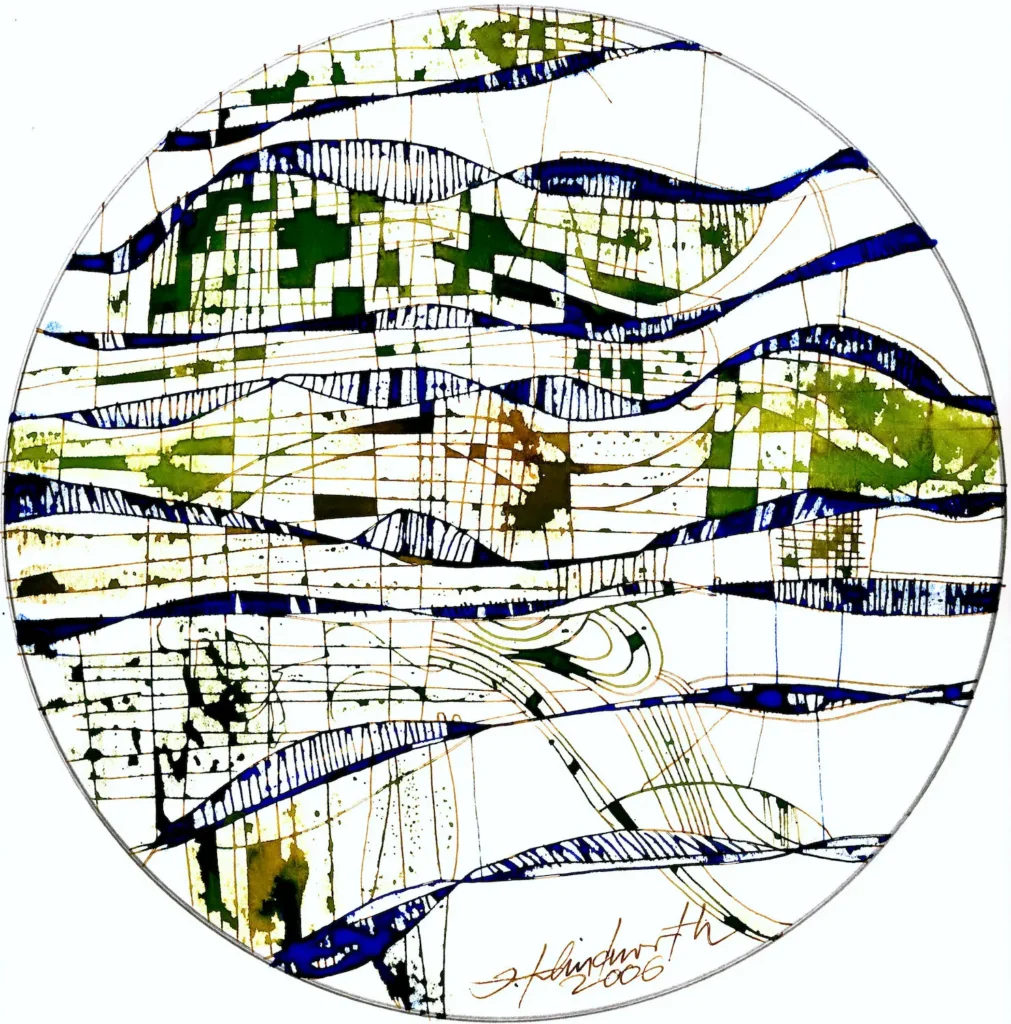
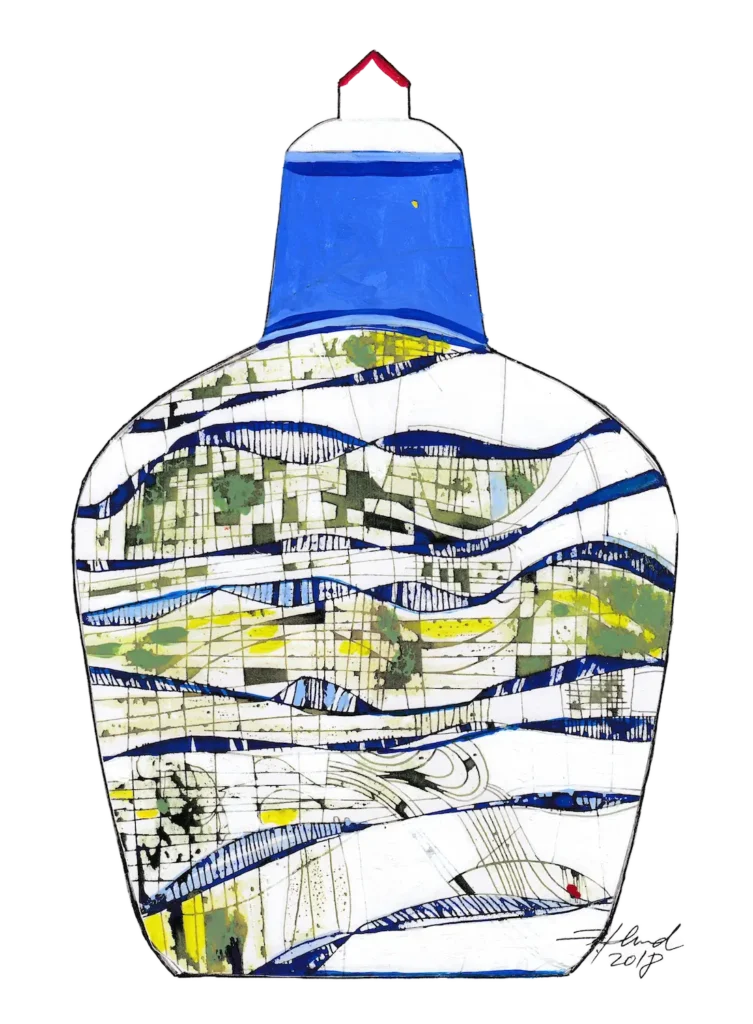
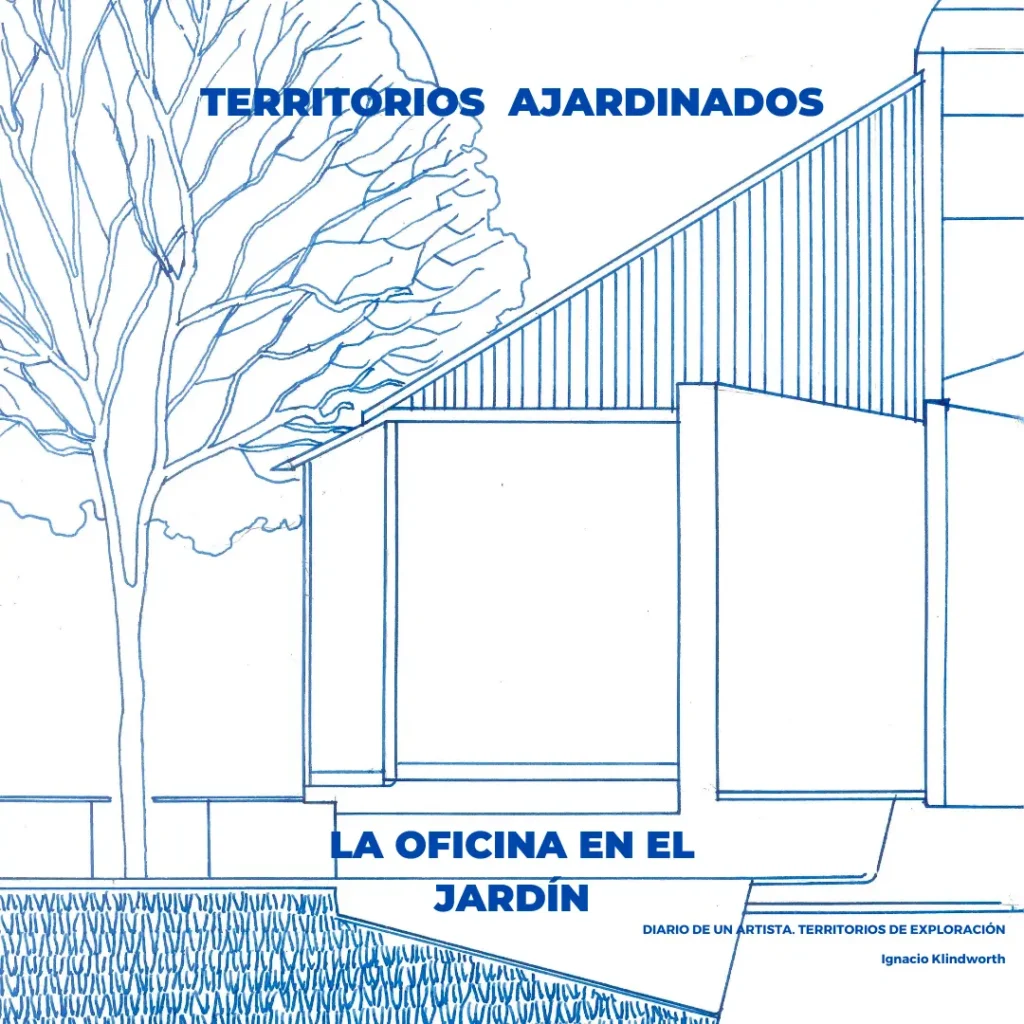
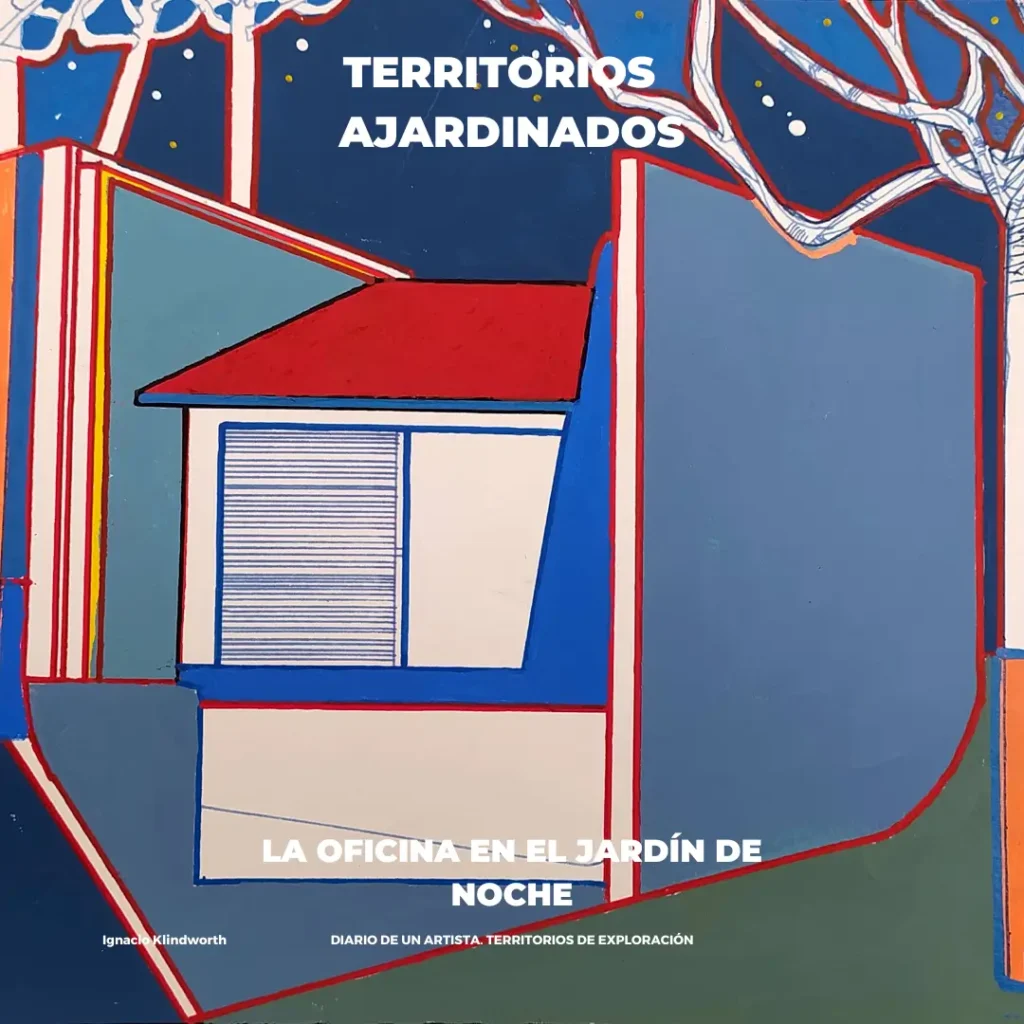
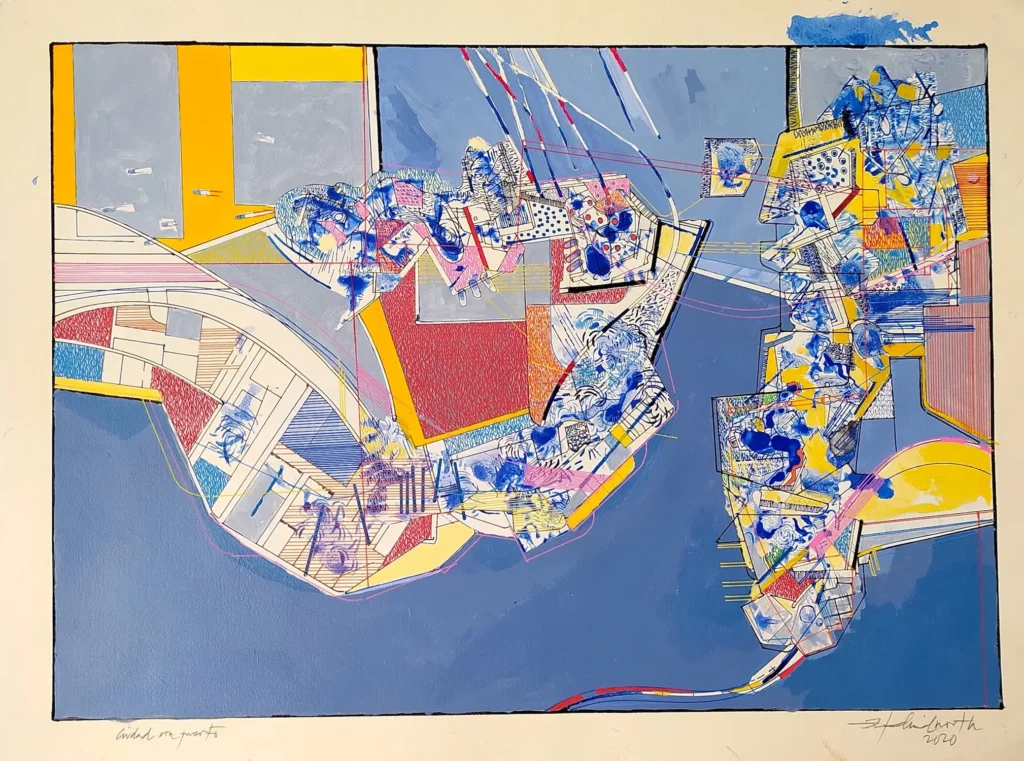
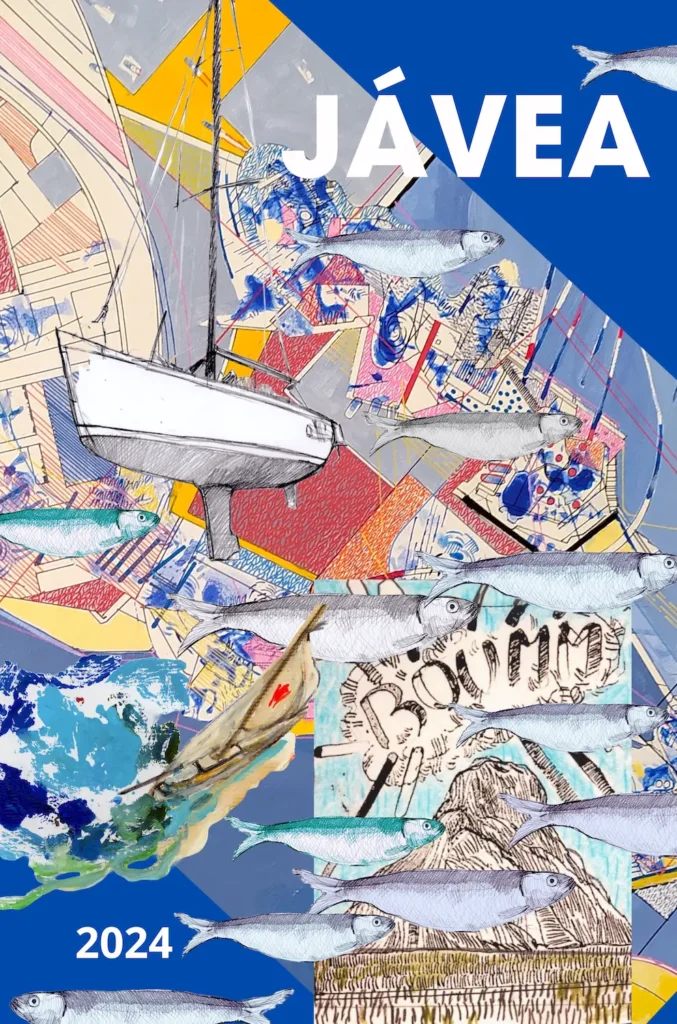
El significado es el contenido conceptual que le es dado a un signo lingüístico. En semiótica se establecen varios presupuestos de lo que es un significado:
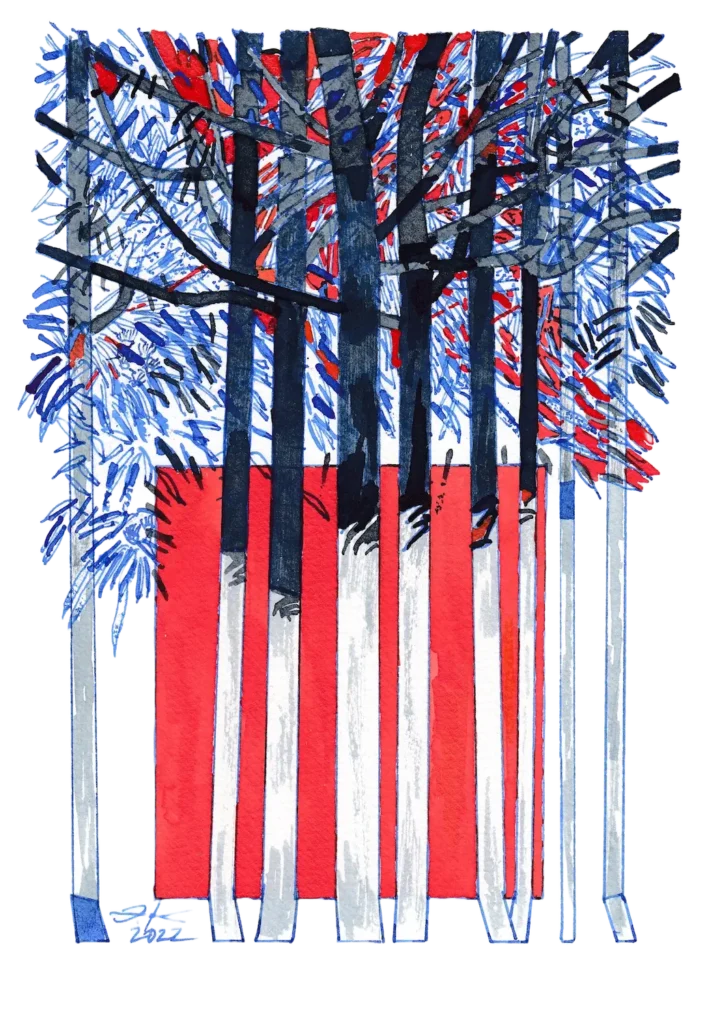
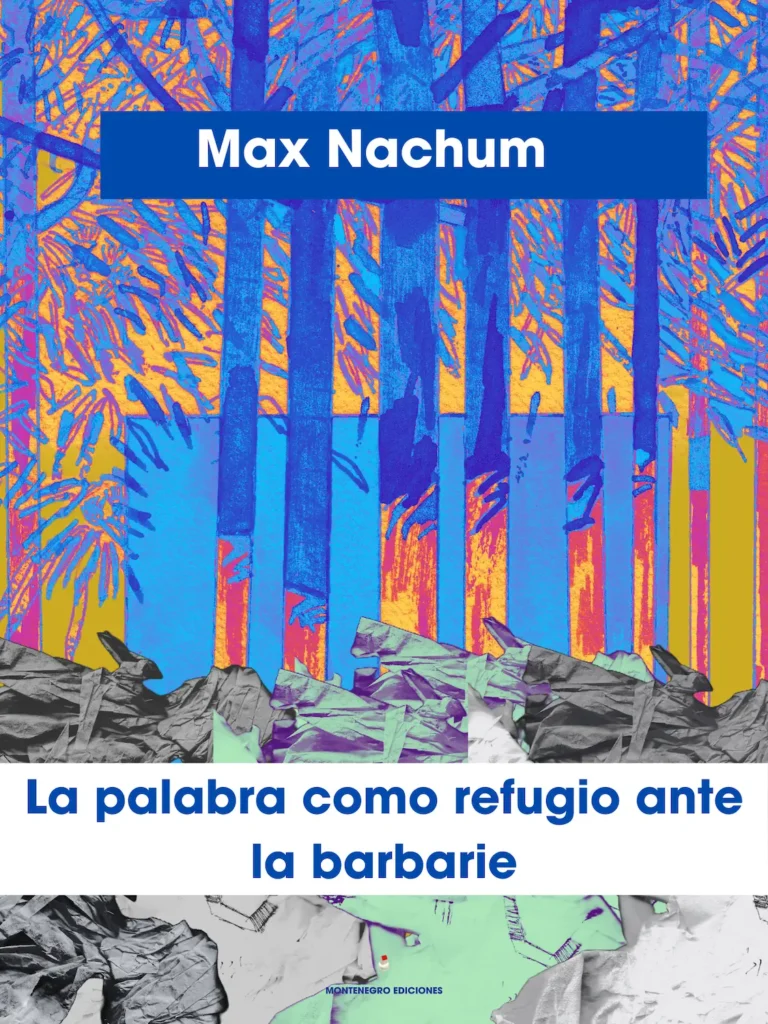
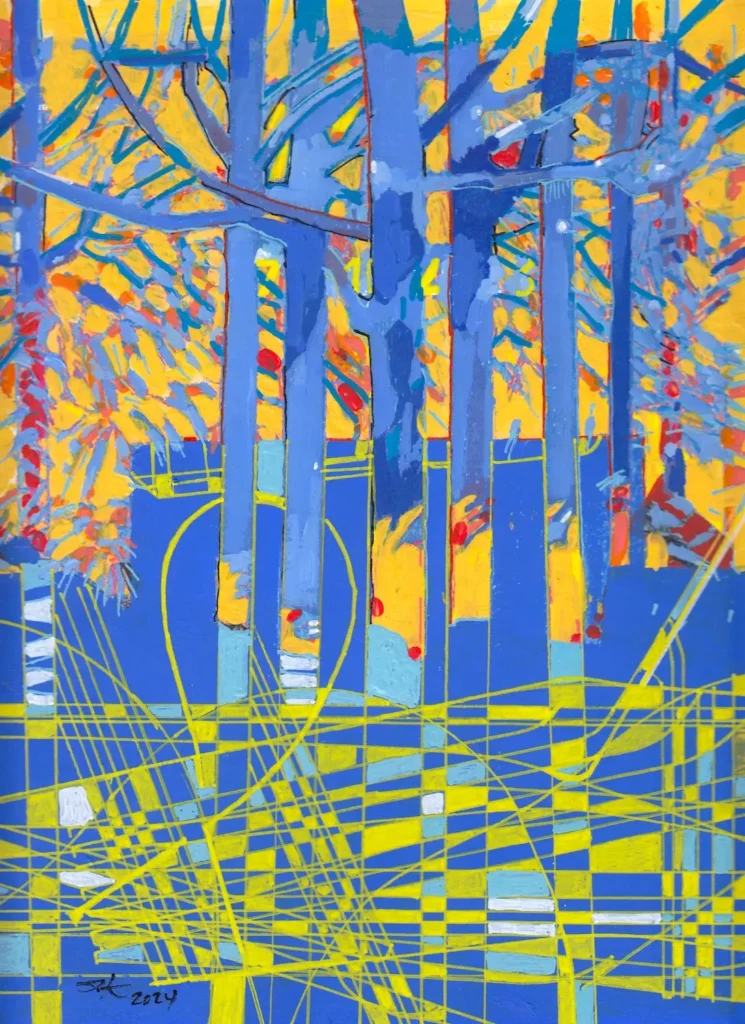
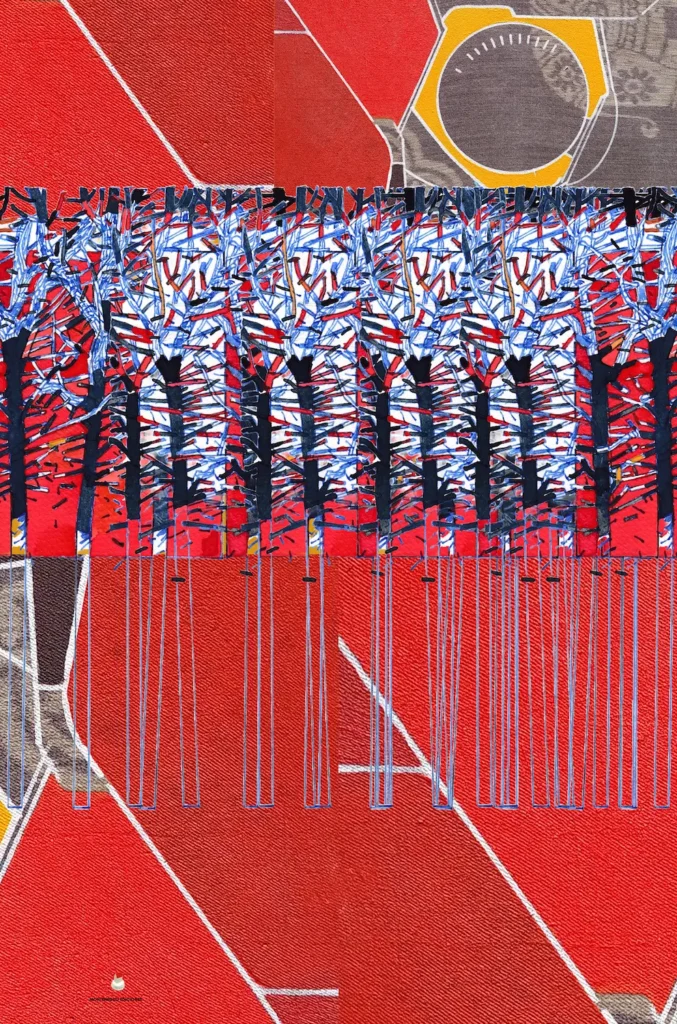
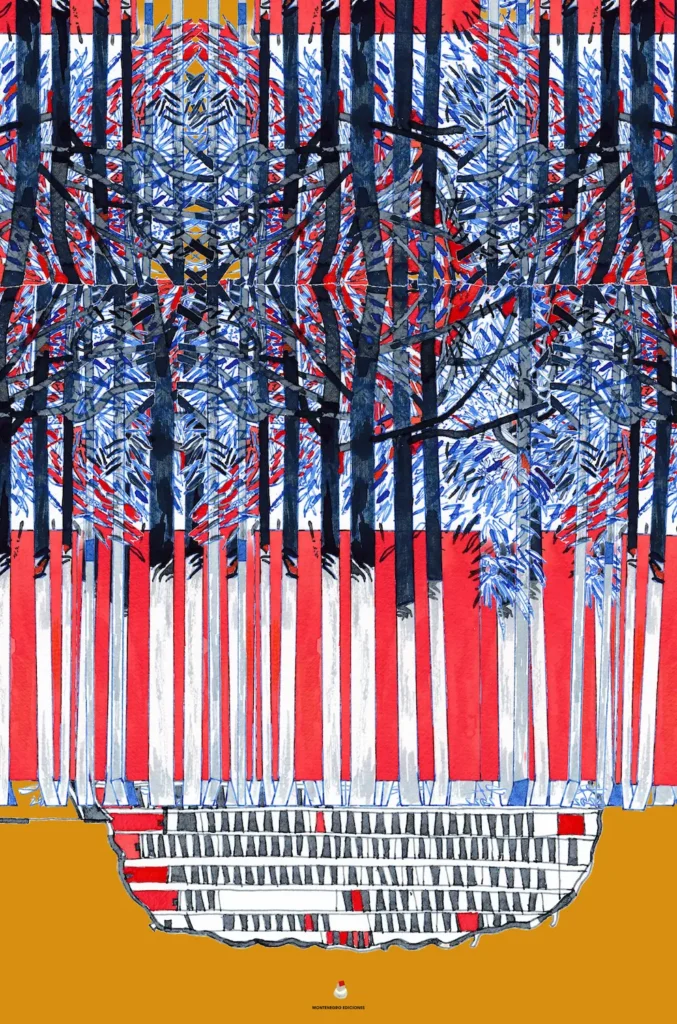
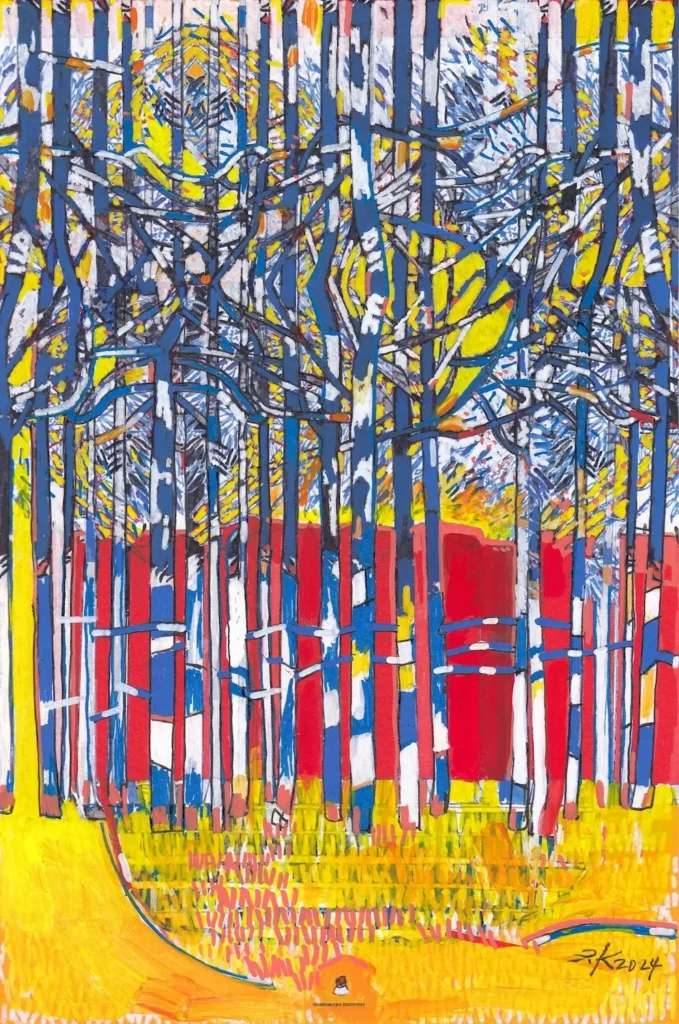
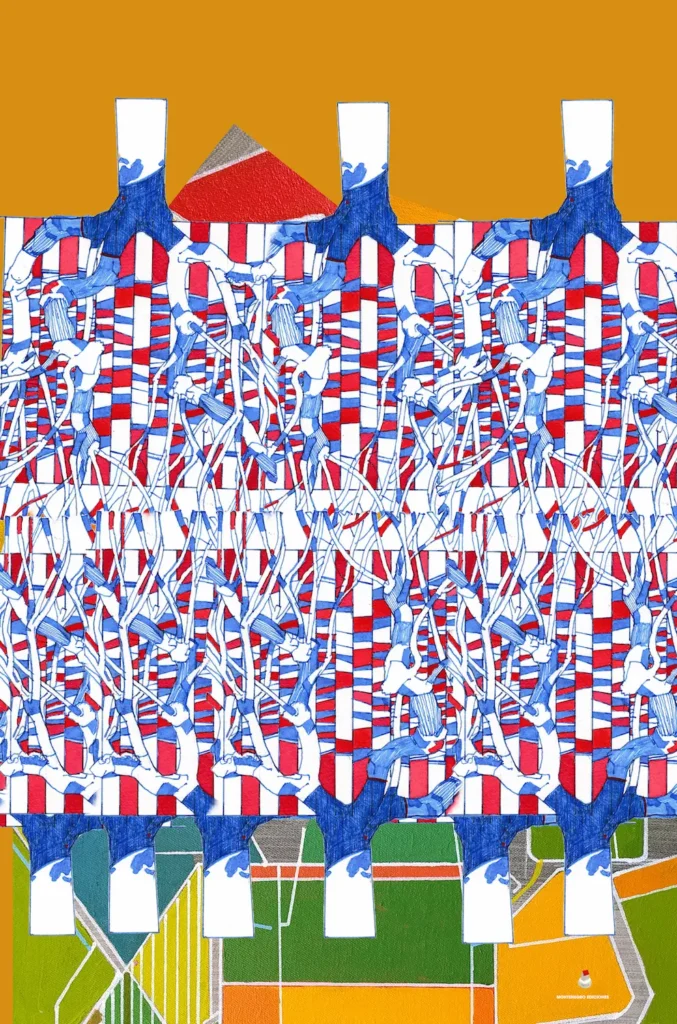
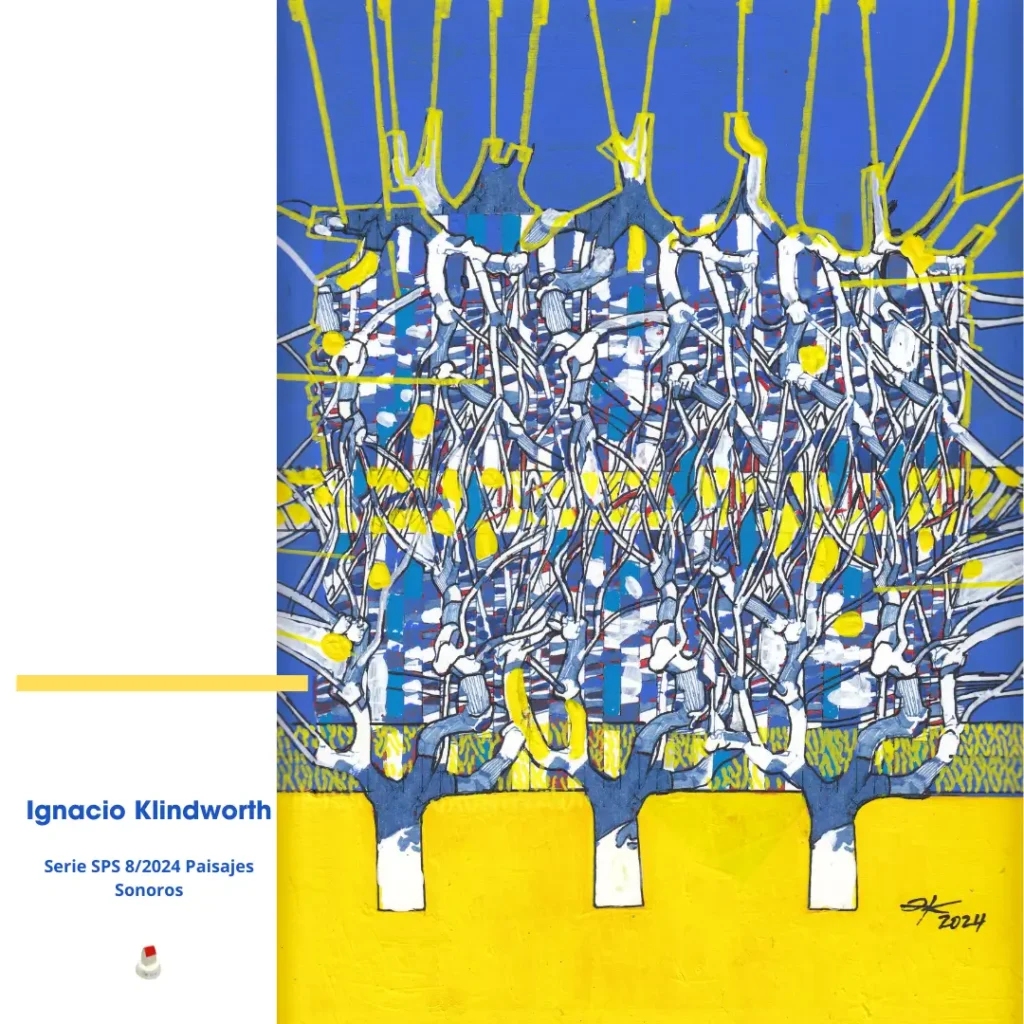
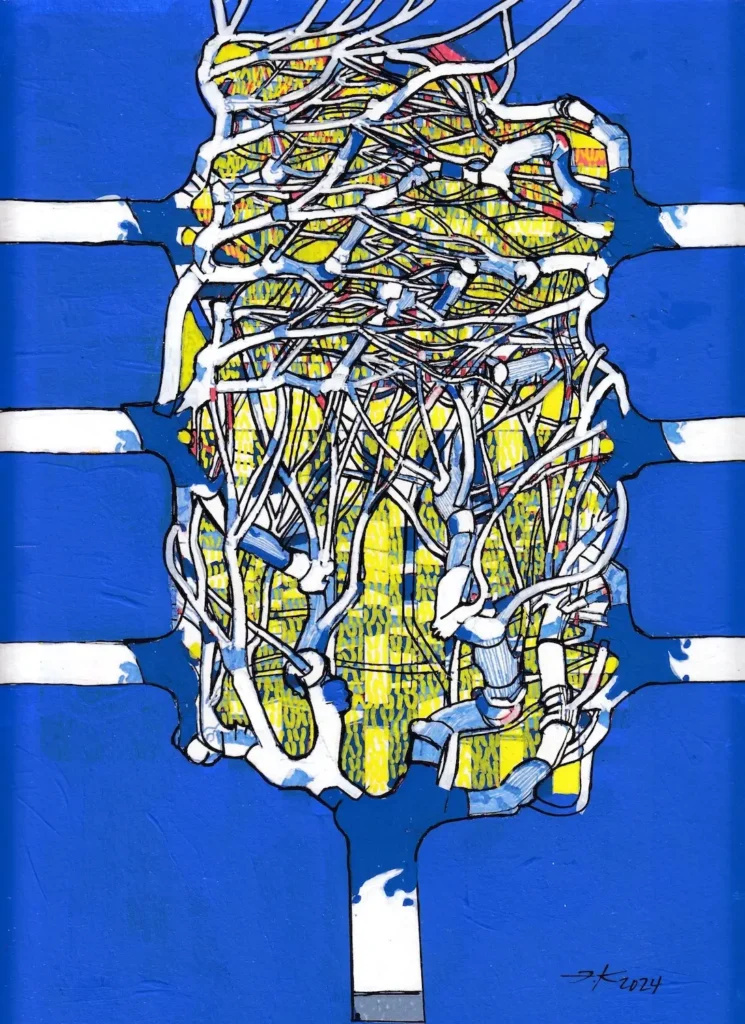
Otra de las razones para reproducir una obra sobre un nuevo soporte es la capacidad que detenta este proceso para reinterpretar o añadir nuevos significados a la obra. Reproducir una obra de arte también puede entenderse como añadir una variación sobre un mismo tema. Esta variación es una ampliación del territorio o incluso un cambio de territorio. Del territorio analógico y matérico en el que normalmente desarrollo mis composiciones y con materiales y soportes como el papel, lienzo, gouache, lápiz etc., paso al territorio digital en donde previo proceso de escaneo, organizo una nueva composición. Una nueva composición implica un nuevo significado. Los medios digitales siempre me han llamado la atención. Puedo ampliar mis territorios creativos, profundizando en la composición y en la tipografía. Dispongo de una ilimitada variación de propuestas planas, una limpieza de contornos y un marco escalable. Puedo imprimir mis archivos a diferentes tamaños y sobre diferentes soportes.
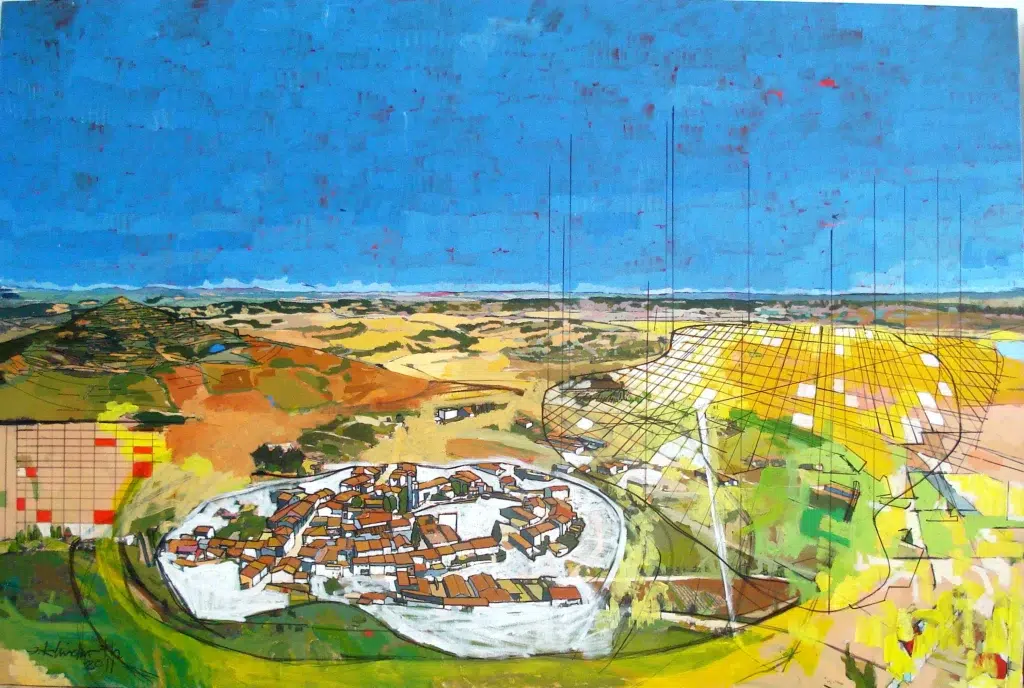
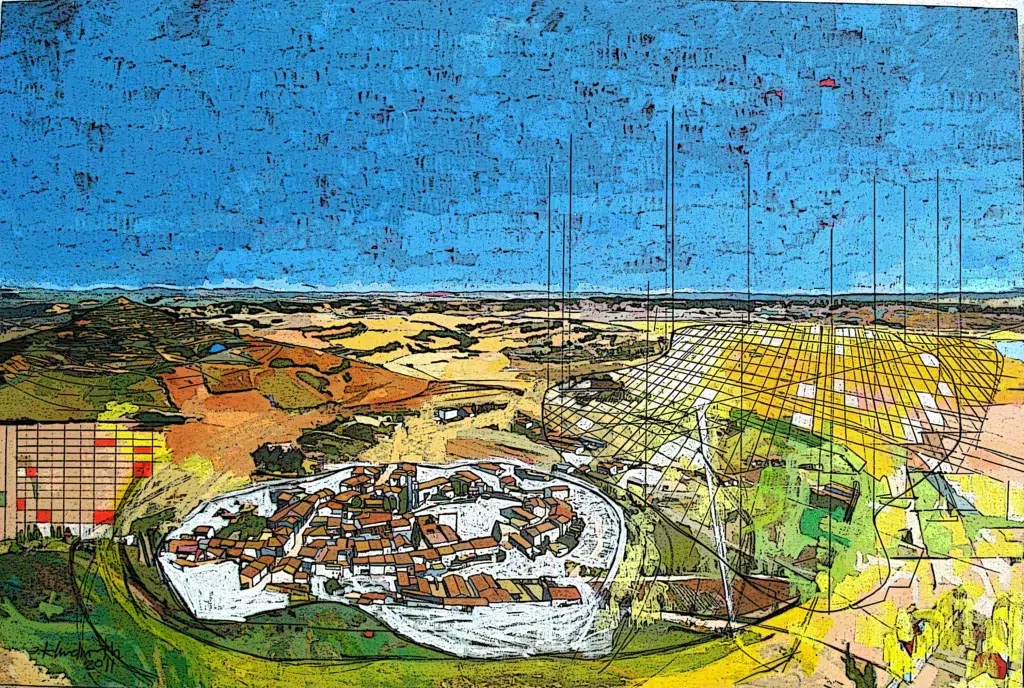
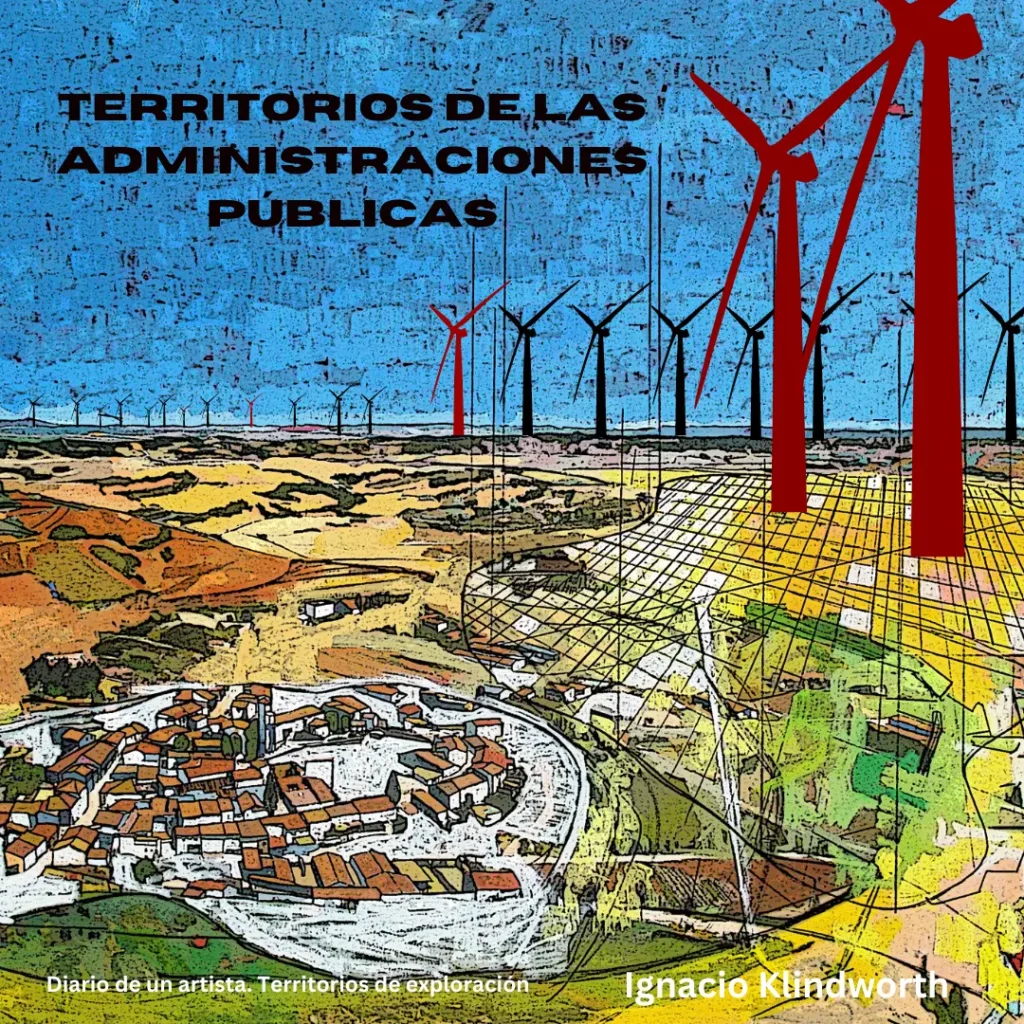
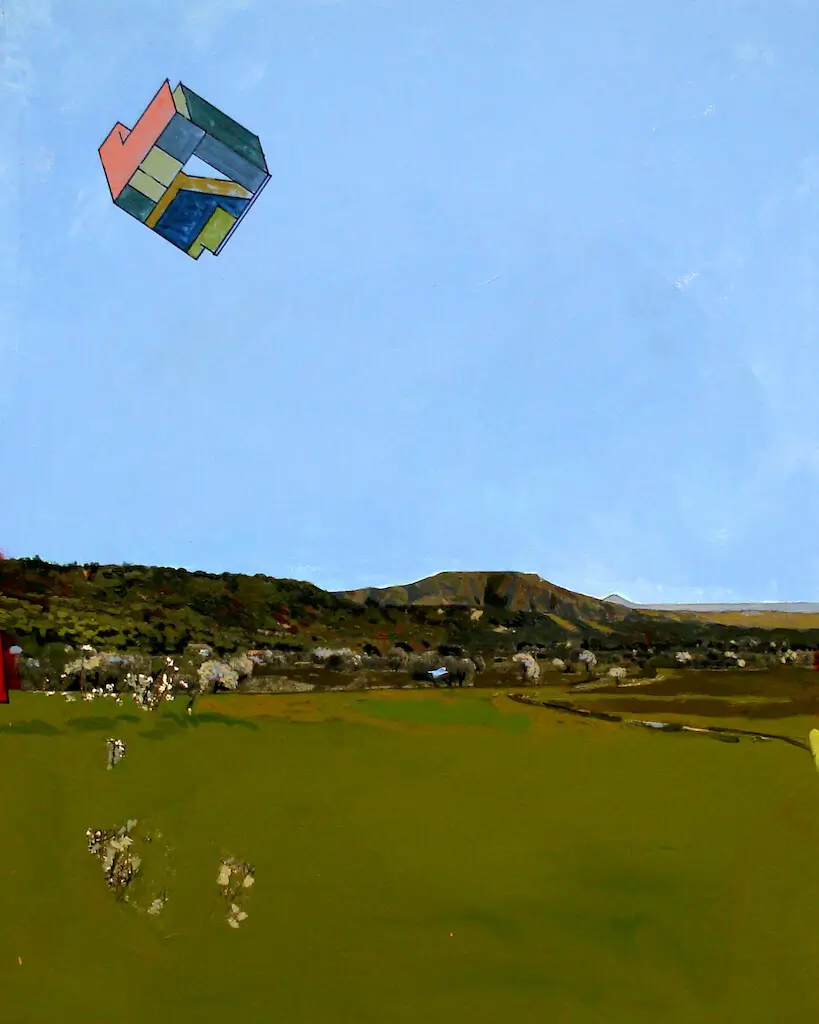
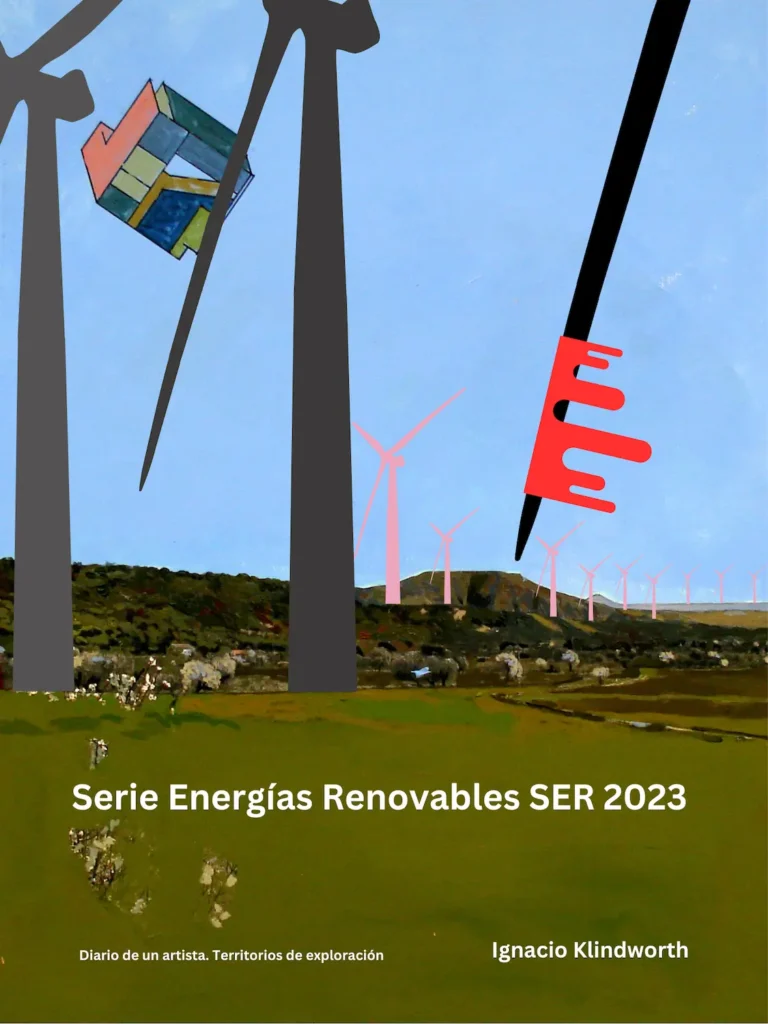
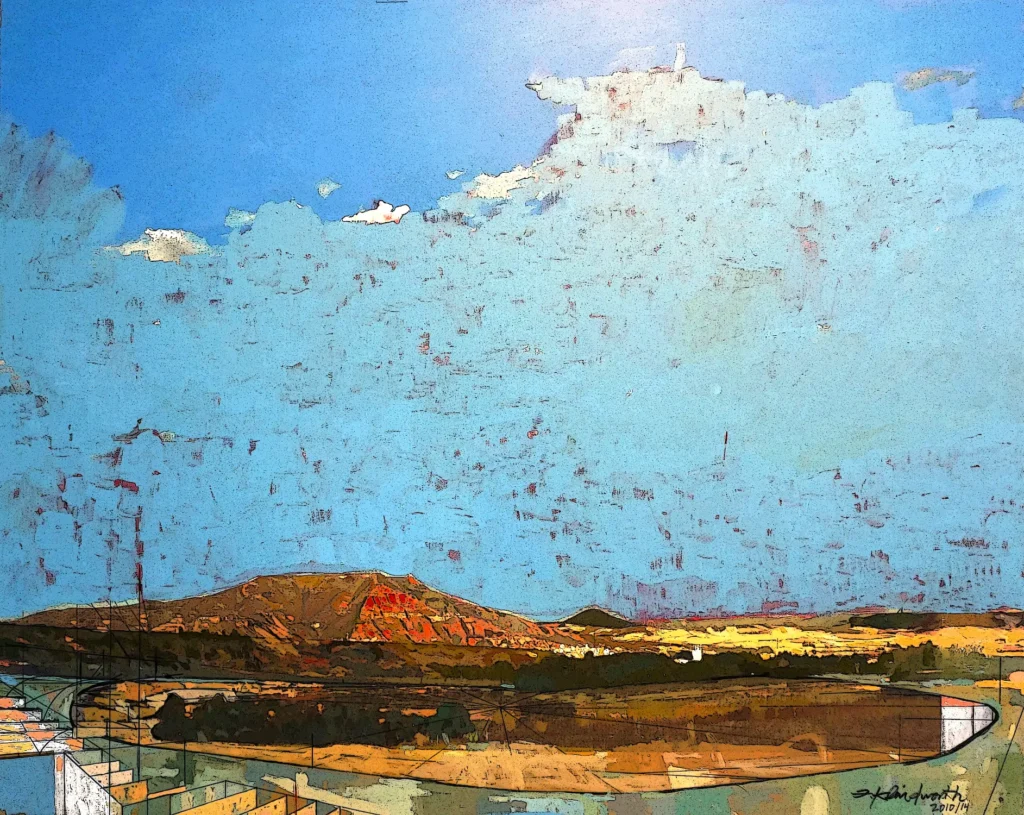
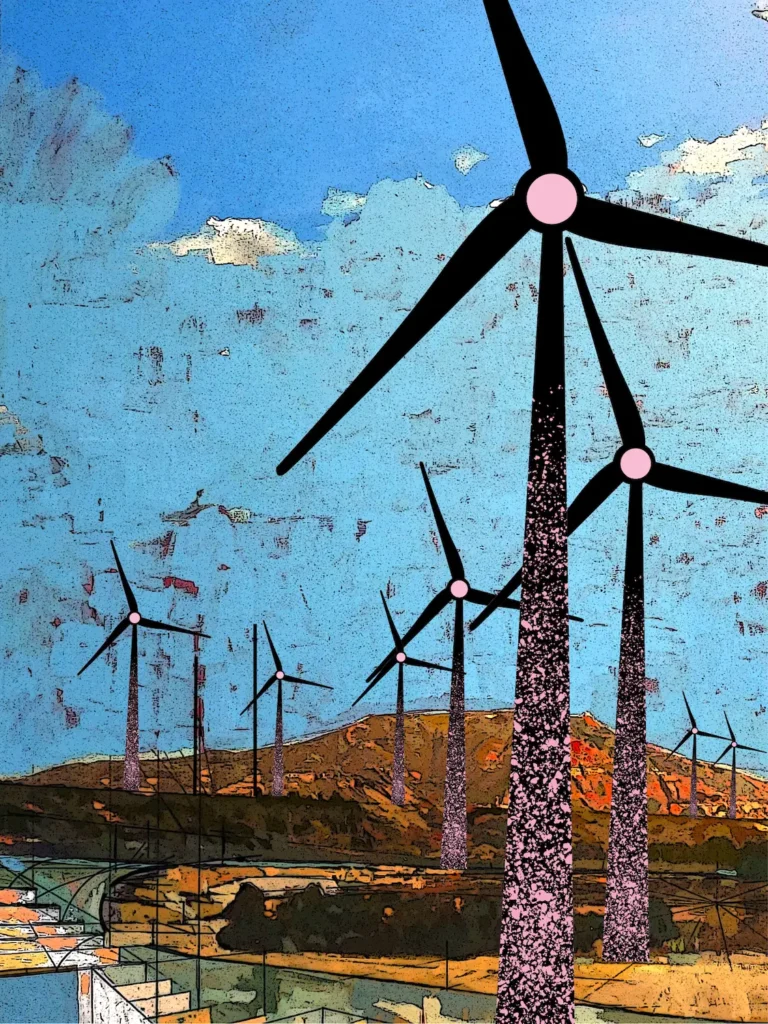
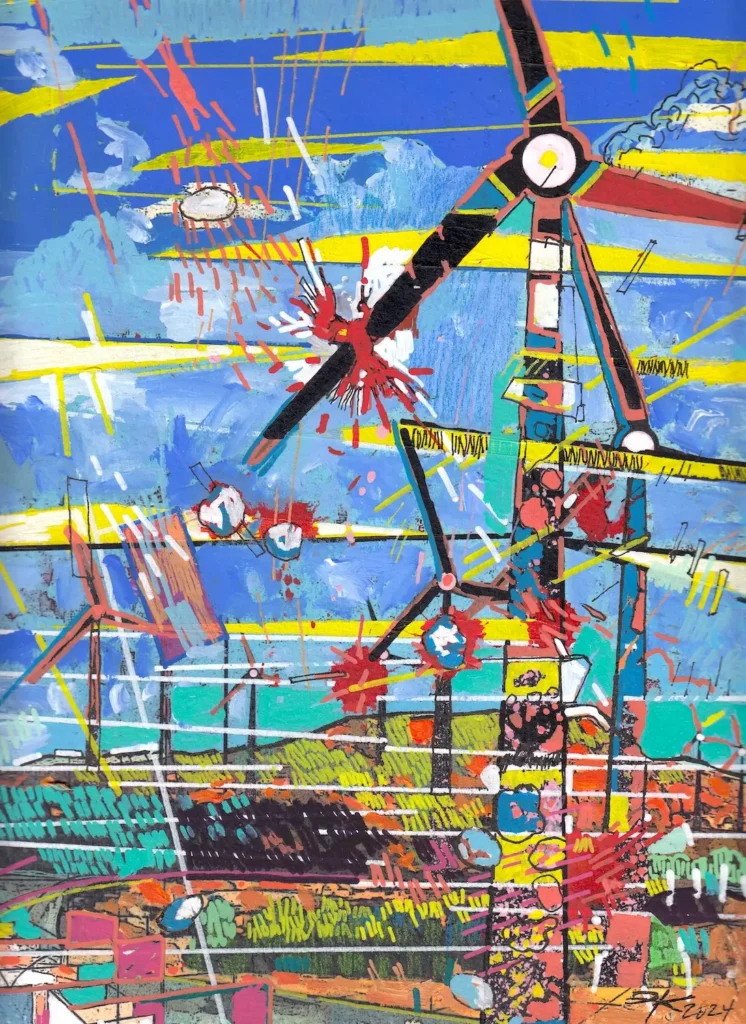
Existe un concepto que siempre me ha gustado mucho y que se usa en los territorios flamencos; los llamados cantes de ida y vuelta. Durante los siglos XVIII y XIX se mezclaron palos flamencos con sones y giros de América Latina. Esta hibridación amplió el repertorio flamenco e incorporó nuevos ajustes al arte de la guitarra. Y esta mezcolanza se produjo en ambos sentidos y asentó las bases para futuras hibridaciones musicales. Añadir nuevos significados a mis obras mediante su reproducción, cambio de soporte, cambio de uso, introducción de nuevos signos o ampliación con nuevas referencias, amplia el catálogo de mis razones para experimentar con ello.
Ahora son territorios en la frontera de nadie entre lo analógico y lo digital. Son cantes de ida y vuelta. Del territorio analógico y matérico a la composición digital. De la composición digital a una impresión sobre un nuevo soporte que permite construir en territorio analógico una nueva obra; un nuevo significado. Y vuelta a empezar pero con una nueva dirección y nuevos significados. Y siempre transformada en una obra nueva y única. Una pieza única basada en una reproducción que a su vez se basa en un original.
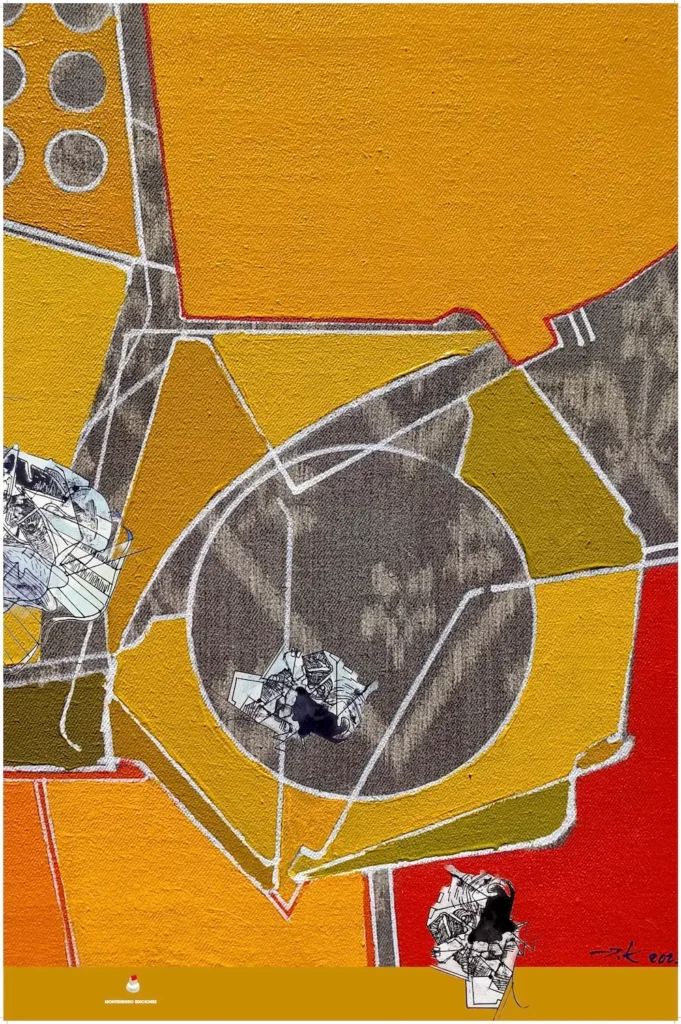
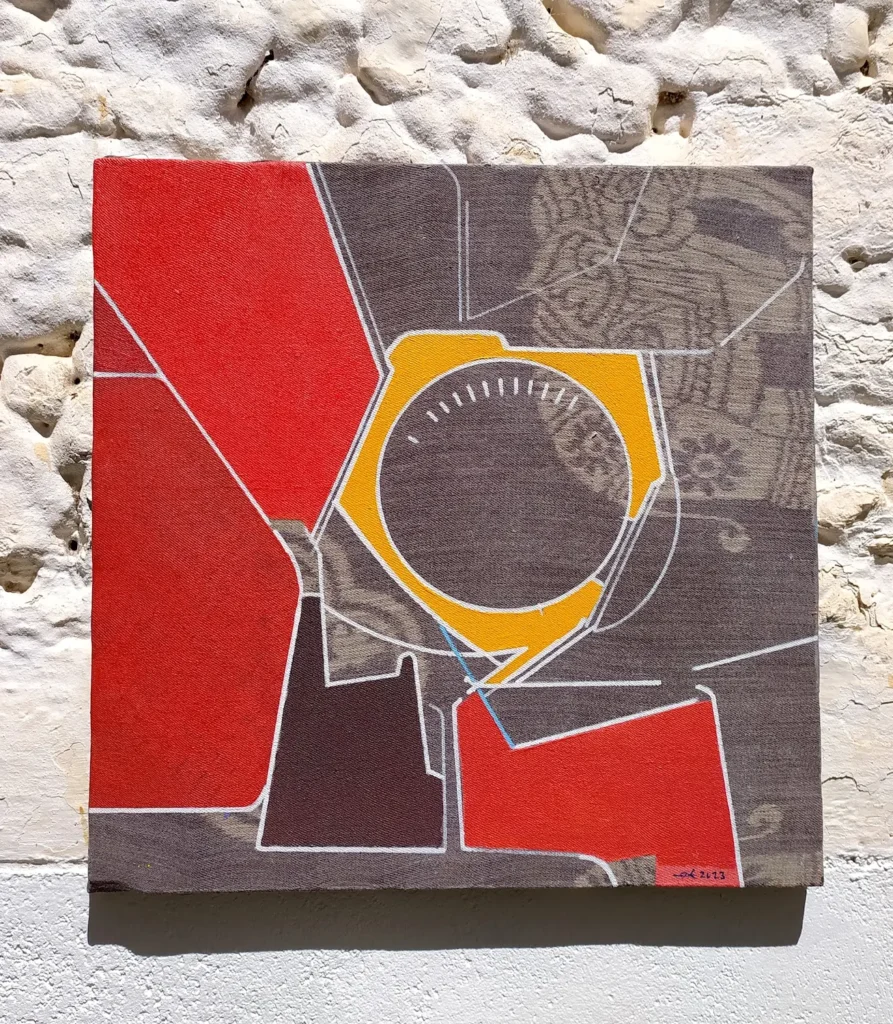
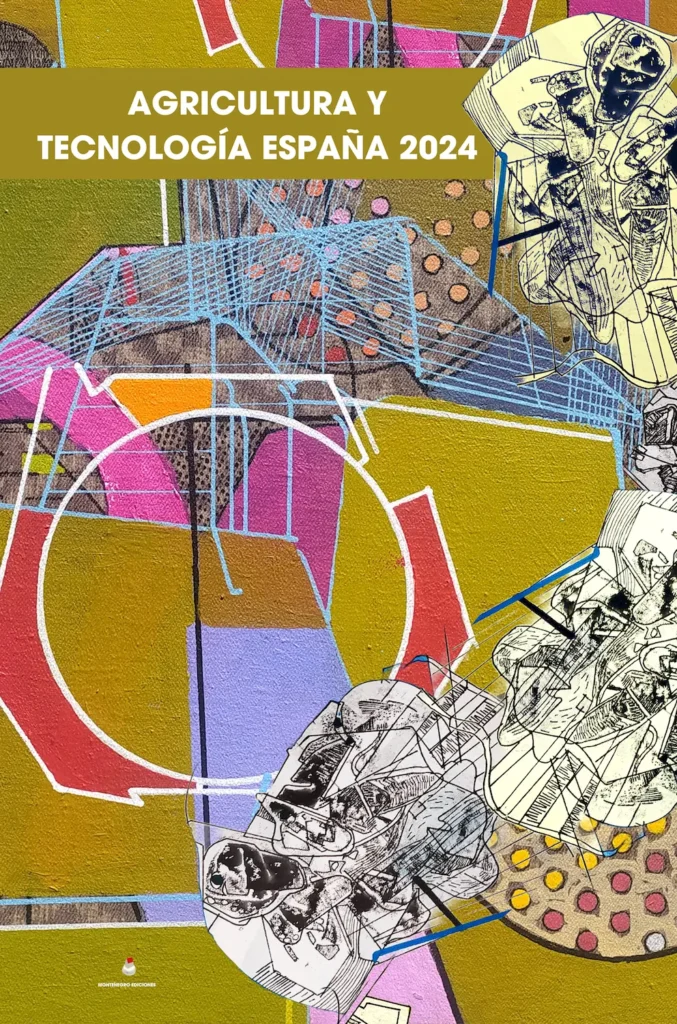
La respuesta a mi amigo y todos mis clientes es la misma. La obra que has adquirido es original, única o de tirada limitada y numerada. Los procesos para conformar estos parámetros pertenecen al territorio de los procesos creativos de los artistas. Y estos territorios se amplían constantemente y en riadas transversales. No existen las artes o las técnicas artísticas mayores o menores. Lo que sí existe y permanece a lo largo de los tiempos, es la capacidad para asombrarse, experimentar y producir arte. Independientemente del medio y del soporte. Y una de las cosas que lo hace reconocible es atender a su significado.
Esta entrada está dedicada a mi amigo Guti.
The other day, a friend took an interest in my drawings of Madrid’s Retiro Park. They are part of the SPRM 2024 series. He had seen them on my Instagram account @montenegroediciones. The SPRM series is a new commission from montenegroediciones, my publishing label that allows me to print posters on demand and in limited editions. He wanted to know if I drew the works he had seen by hand or if I made them using design software. I replied that I almost always start with a hand drawing. I also love working with graphic design software, such as Affinity Design. Knowing that I like to experiment with new media, he sensed that my explanation did not end there.
One way to add new meaning to a work of art is to reproduce it. I am particularly fascinated by the idea of reproducing one of my works for several reasons. The main argument is to be able to articulate a new medium that allows me to better distribute and sell a reproduction of that particular work.
In 2022, I created @montenegroediciones, Proyectos de impresión, a fictional publishing label that allows me to develop print-on-demand projects. Using my own work as a starting point, I organise digital compositions and then print them in limited runs and on demand. The final print is a glicée print. A glicée print is a type of print made with ink sprayed onto paper. A glicée print also requires an environment that takes three variables into account:
High resolution in the digital file.
High-quality printers and multiple inks.
Archival paper.
In my case, I use fine art printing papers, 308gsm Photo Rag or 310gsm German Etching, both from Hahnemühle, in A2 size. They are therefore unique or numbered and limited edition works.
Meaning is the conceptual content given to a linguistic sign. In semiotics, several assumptions are made about what meaning is:
-Meaning refers to and encompasses the interpretation of a particular linguistic sign.
-Meaning can be understood based on the use or purpose of a sign.
-Meaning comprises a greater number of characteristics beyond the reference of an expression.
-On the other hand, meaning refers to the relationship between a sign and its referent, while sense refers to the interpretation of that sign in a given context.
Another reason for reproducing a work on a new medium is the capacity of this process to reinterpret or add new meanings to the work. Reproducing a work of art can also be understood as adding a variation on the same theme. This variation is now an expansion of the territory or even a change of territory. From the analogue and material territory in which I normally develop my compositions, using materials and media such as paper, canvas, gouache, pencil, etc., I move to the digital territory where, after a scanning process, I organise a new composition. A new composition implies a new meaning. Digital media have always attracted my attention. I can expand my creative territories, delving deeper into composition and typography. I have an unlimited variation of flat proposals, clean contours and a scalable frame. I can print my files in different sizes and on different media.
There is a concept that I have always liked very much and that is used in the world of flamenco singing: the so-called cantes de ida y vuelta (round-trip songs). During the 18th and 19th centuries, flamenco styles were mixed with Latin American sounds and twists. This hybridisation expanded the flamenco repertoire and incorporated new adjustments to the art of guitar playing. This fusion occurred in both directions and laid the foundations for future musical hybridisations.
Adding new meanings to my works through reproduction, changing the medium, changing the use, introducing new signs or expanding with new references broadens the catalogue of my reasons for experimenting with it.
The answer to my friend and all my clients is the same. You have purchased a work that is original, unique, or limited edition and numbered. The processes for establishing these parameters belong to the realm of the artists’ creative processes.And these realms are constantly expanding and overlapping. There are no major or minor arts or artistic techniques. What does exist and remains throughout time is the ability to be amazed, to experiment and to produce art. Regardless of the medium and the support. And one of the things that makes it recognisable is paying attention to its meaning.